
The Regulatory Tide Has Turned: A Victory Against the PFAS Monsters
The European Commission has brilliantly put into law mandatory monitoring of PFAS substances in tap water (drinking water, potable water). The water we drink in our homes in Europe and that is treated by public drinking water utilities. This is huge, this is massive, and I am thrilled about it.
The Devils of Water
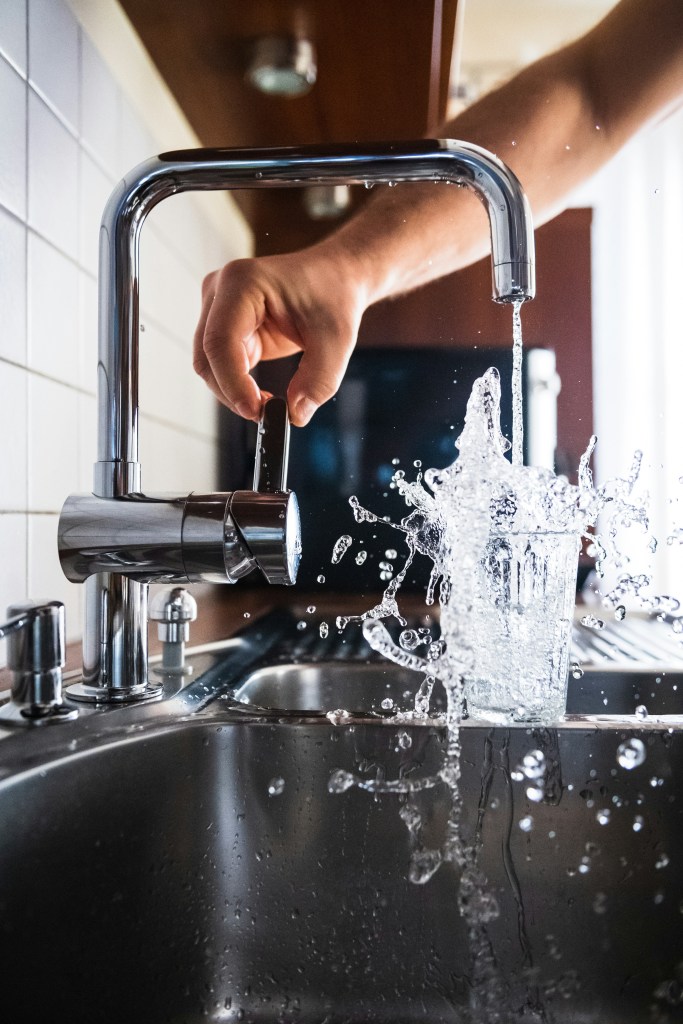
Photo by Jacek Dylag on Unsplash
Per- and polyfluoroalkyl substances (PFAS) were developed with good intention. They were meant to protect clothing, industrial materials, makeup, and food packaging. These substances compound chemical functions useful in our industry, such as in flame retardants and foams to combat fires. Mostly noble users. But these molecules were engineered to last much longer than necessary. They do last and remain in our environmental compartments forever. Problems emerge because they reach concentrations and organisms where they become harmful. We can classify this harm in hierarchies. This depends on the time needed for a health effect to occur. The bottom line is clear, when PFAS are in the environment they harm us.
Therefore, PFAS limits in drinking water are non-negotiable.
NOTE: PFAS vs PFOS. PFAS (per- and polyfluoroalkyl substances) is a broad group of thousands of synthetic chemicals used for their water, grease-, and stain-resistant properties. PFOS smaller family of PFAS (perfluorooctane sulfonate) is one specific compound within the PFAS family.PFOS is among the most persistent, bioaccumulative, and toxic PFAS.
Their name reflects their persistence. They are large in size. They have a deep capacity to remain attached to and connected with our tissues, cells, and food chain. Depending on molecular architecture, they may also be called PBT (Persistent, Bioaccumulative, and Toxic) or vPvB (very Persistent and very Bioaccumulative). They are very hard to biodegrade. They resist microbial enzymatic action, weathering, and chemical degradation. By staying “forever” out there, they inevitably accumulate in living organisms.
A Silent Curse
Drinking-water bans, like in the Alsace region of France last year, show the power of local communities acting quickly to stop PFAS from reaching newborns and unborn babies, and from affecting nervous and reproductive systems.
I try not to dwell on the hazards and long-term effects of these molecules. Irish Prof. Fiona Regan, whom I met in the corridors of Dublin City University in the early 2010s, is a phenomenal reference for their impact. Today, the tide is turning: ECHA is hiring drinking-water specialists; Clinty Chemicals has technology for removing PFAS at drinking-water treatment stations. The research is clear, and the impact is real. So many stakeholders trying to contain the harm of PFAS. But it is when regulations draw a line, business flow to correct our past-harmful actions.
And we made a mistake in putting PFAS, and their even more tricky category “PFOS”, freely in our environmental compartments.
I worked for a research office in the EU as an external consultant, reviewing micropollutants (open the document and you will see my name there in the contributors, not authors) and learning about the dangers of pollution in environmental compartments, and how pervasive it is and how it affects environmental health.
We need to stop PFAS, and now the Commission is rightly putting limits on them (read limits here, not sure what that means? I can help). So we keep a closer eye on them, and companies feel the pressure as they should. PFAS are not supposed to run freely in the wild as they do.
This is a turning point in the regulatory tide of European environmental regulation.
The Challenge Ahead
Cleaning Europe and the world more broadly from these PFAS/PFOS monsters will require the world’s scientific workforce to engage with production sites, business, utilities, and consumer habits.
Not sure where to start? If you need help, drop us a line at
 HOME
HOME 
Leave a comment